
Repertoire & Productions
Classical theatre productions emerging from years of research, textual reconstruction, and practice
Each production by Chidakash Kalalay is a living manifestation of Mārga Nāṭya—bringing ancient Sanskrit plays and classical texts to life using reconstructed instruments, microtonal music, and exact śāstric karaṇas.
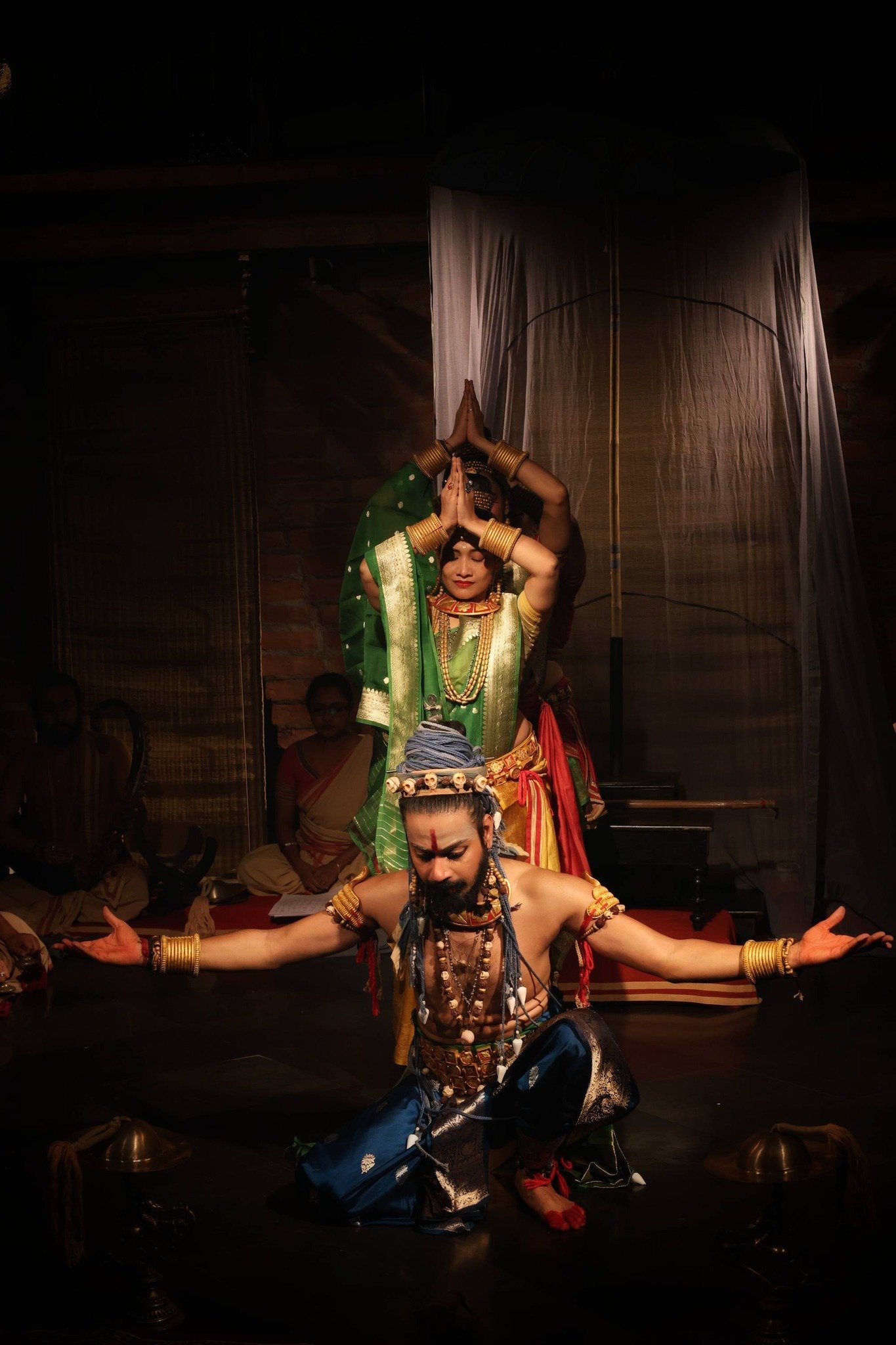
A grand Mārga Nāṭya production exploring the cyclical beauty of autumn and cosmic rhythms through Natyashastra karanas, reconstructed veena melodies, and microtonal vocal structures.
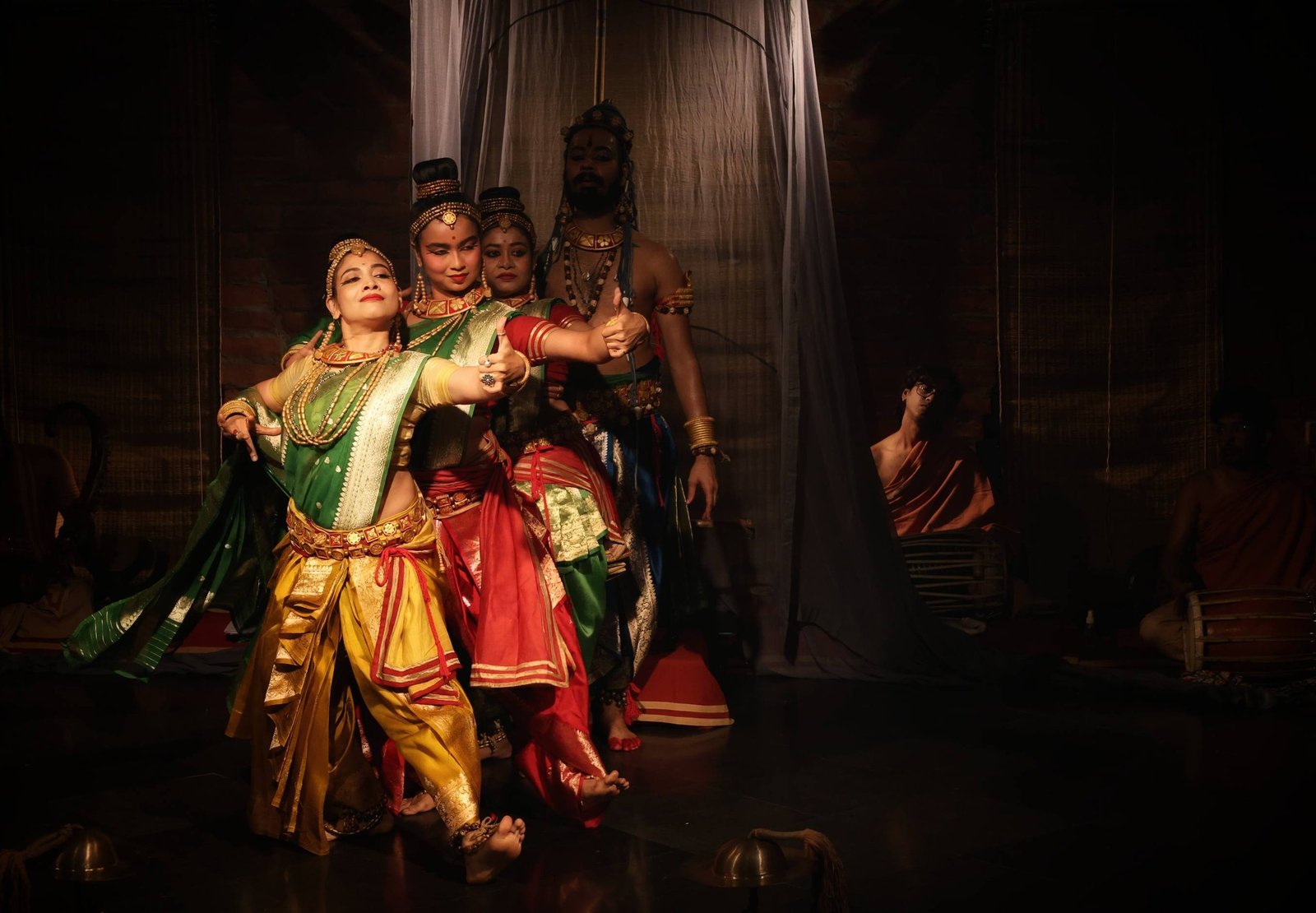
A classical Uparoopak performance reconstructing ancient minor drama forms with solo expressional abhinaya, rhythmic percussion, and ancient vocal chants.
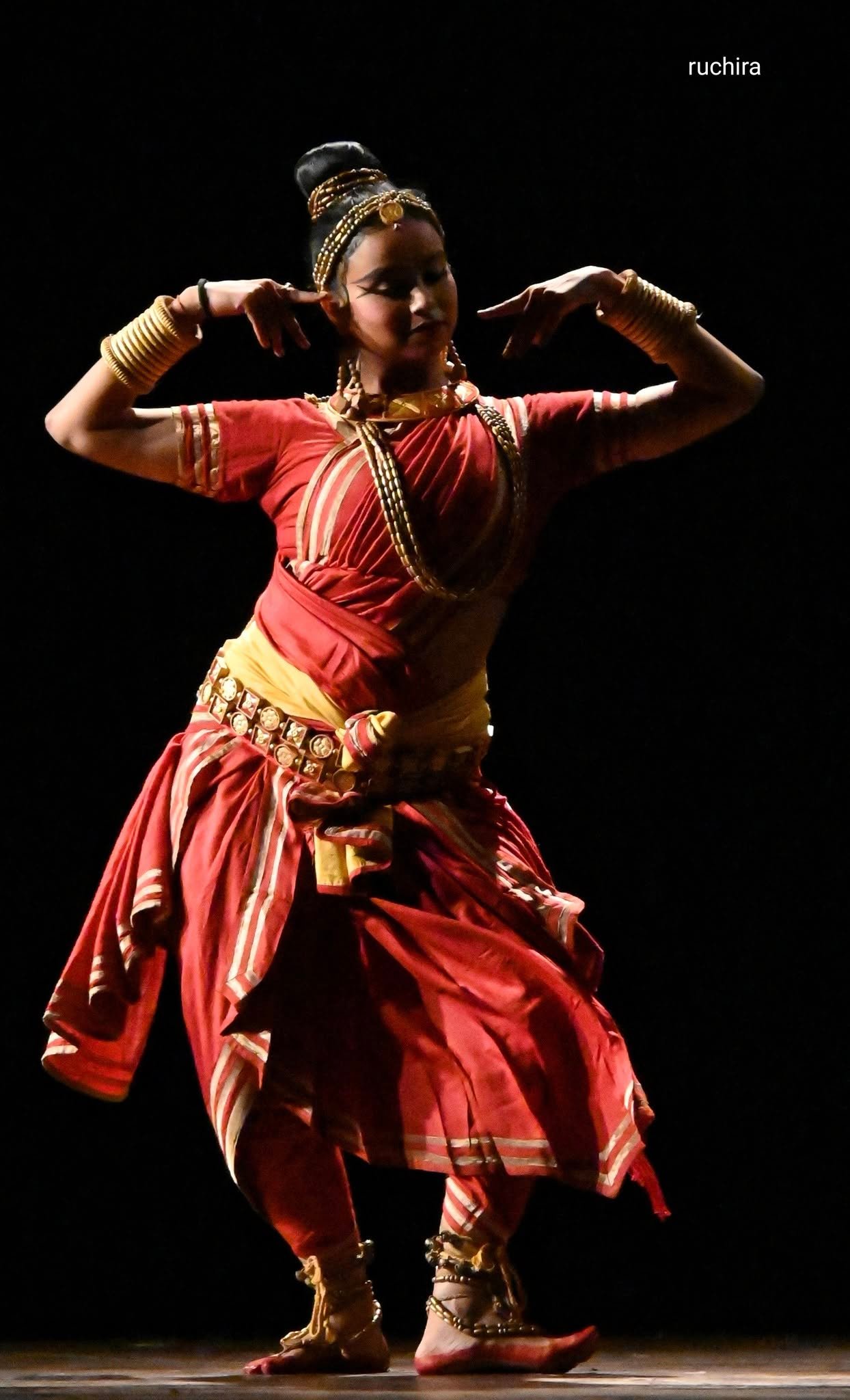
A poignant Mārga Nāṭya production depicting classical themes of separation and spiritual longing, featuring the acoustic sound of the reconstructed Mattakokilā veena.
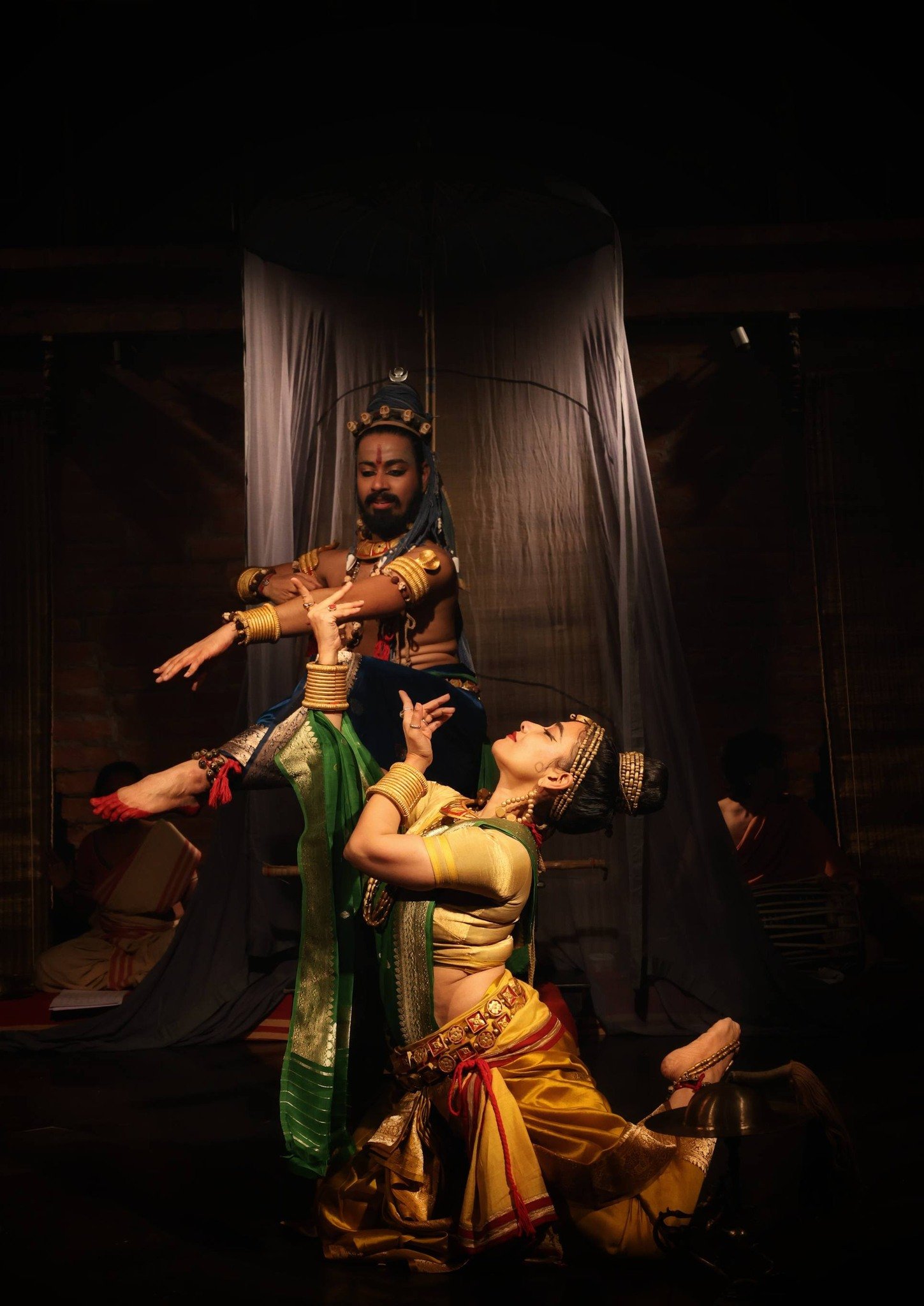
Dramaturgical reconstruction of classical plays attributed to Bhāsa, integrating pre-classical movement units and traditional śāstric stage craft.
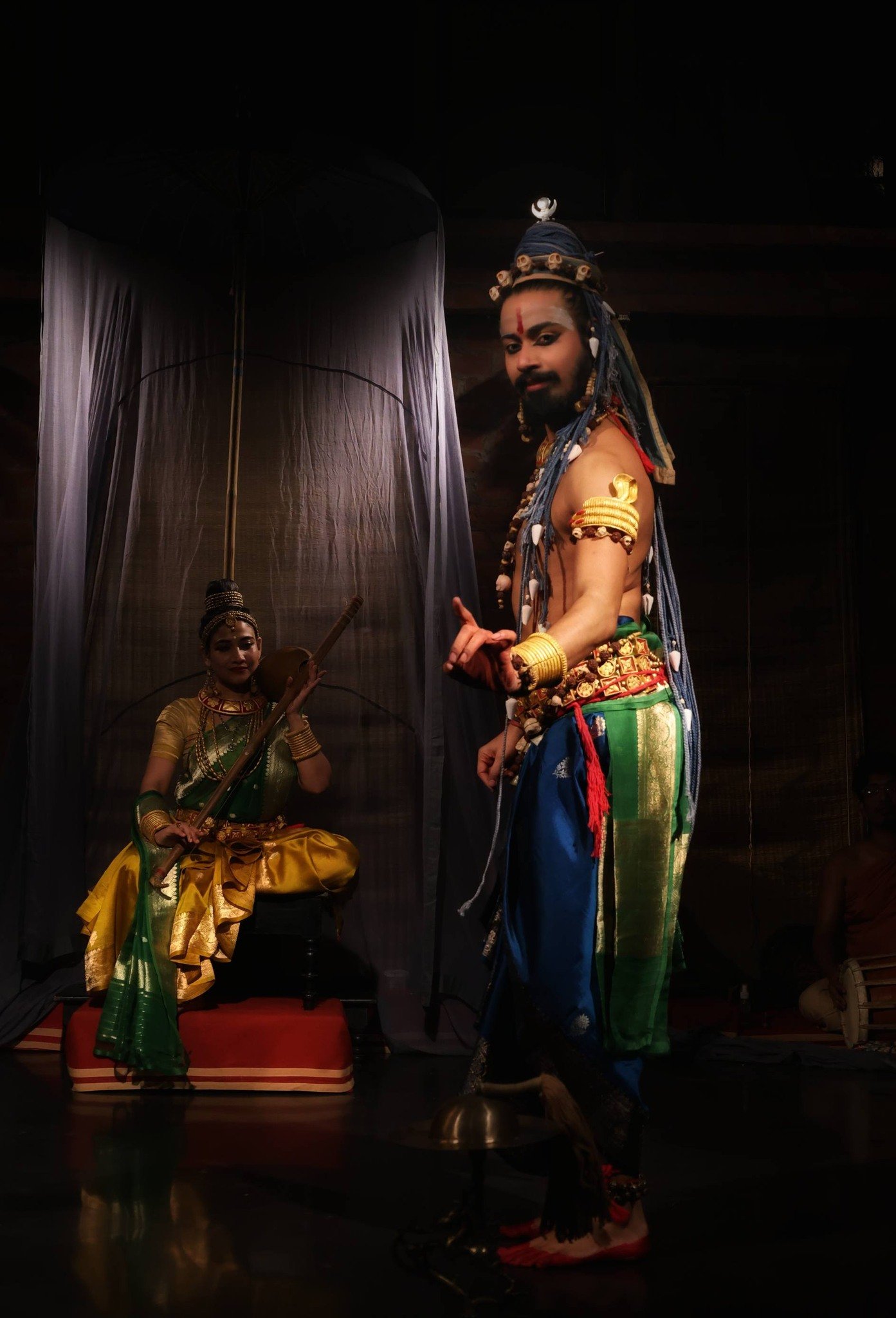
An evocative stage work centering around symbolic lotus motifs, meditative breath-movement synchronization, and ancient ritual theatre prelude (Pūrvaraṅga).
Experience Live Recitals
Join us for upcoming stage performances, lecture demonstrations, and intensive workshops.
View Events & Performance Schedule →